Climate & Kickoff: Will It Be Too Hot to Play?
Late-June and July temperatures across all 16 World Cup 2026 host cities, how FIFA's cooling and water-break protocols work, which venues have closing roofs, and what ticket-holders should expect.
Climate & Kickoff: Will It Be Too Hot to Play?
The biggest unanswered question about the World Cup 2026 weather is not whether it will rain in Vancouver or be foggy at Levi's Stadium. It is whether the late-afternoon group games in Dallas, Houston, Monterrey, Atlanta, and Miami are going to be dangerous to play in.
Independent climate scientists at World Weather Attribution have flagged Dallas, Houston, Monterrey, Miami, and Atlanta as elevated heat-stress venues for the 2026 tournament. June and early July in those cities routinely sit above 30 °C with humidity that pushes the heat-stress index considerably higher. Set against an open-air FIFA bowl with an afternoon kickoff and live cameras, it is the kind of operational problem the tournament has never had to solve on this scale.
This guide lays out what we actually know about climate at each host city — climate normals, not 2026 forecasts — how FIFA's cooling and water-break protocols work, which venues can close their roofs, and what you should plan for if you have a ticket.
Tournament-window temperatures
*Climate normals, not forecasts.*
| Venue | Wk 1 Jun 11–17 | Wk 2 Jun 18–24 | Wk 3 Jun 25–Jul 1 | Wk 4 Jul 2–8 | Wk 5 Jul 9–15 | Wk 6 Jul 16–19 |
|---|---|---|---|---|---|---|
| MetLife Stadium | 25° | 27° | 28° | 29° | 30° | 29° |
| SoFi Stadium | 23° | 24° | 25° | 26° | 27° | 27° |
| AT&T Stadium | 33° | 34° | 35° | 36° | 37° | 37° |
| Hard Rock Stadium | 30° | 31° | 32° | 32° | 33° | 33° |
| Mercedes-Benz Stadium | 28° | 29° | 30° | 31° | 31° | 30° |
| Gillette Stadium | 22° | 24° | 26° | 27° | 28° | 27° |
| NRG Stadium | 32° | 33° | 33° | 34° | 34° | 34° |
| GEHA Field at Arrowhead | 27° | 29° | 30° | 31° | 32° | 31° |
| Levi's Stadium | 22° | 23° | 24° | 25° | 26° | 26° |
| Lincoln Financial Field | 26° | 28° | 29° | 30° | 31° | 30° |
| Lumen Field | 22° | 23° | 24° | 25° | 26° | 26° |
| BMO Field | 22° | 23° | 24° | 25° | 26° | 26° |
| BC Place | 18° | 19° | 21° | 22° | 23° | 23° |
| Estadio Azteca | 23° | 23° | 24° | 24° | 23° | 22° |
| Estadio Akron | 24° | 24° | 24° | 23° | 22° | 22° |
| Estadio BBVA | 29° | 30° | 31° | 30° | 30° | 29° |
What we know vs. what we do not
Two important framings before any numbers.
First: the temperatures below are climate normals for late June and early July, not forecasts for specific 2026 match dates. A climate normal is the typical daytime high in that calendar window over the previous 30 years. The actual weather on June 11 or July 19 could be milder or hotter than the average. Always check local forecasts in the days before a match.
Second: the city-by-city normals here are drawn from a single secondary-source guide cross-referenced against general climatological knowledge. For any operationally critical decision — playing, traveling, ticketing — please reconfirm via NOAA (USA), Environment Canada, or Mexico's SMN.
The five elevated-risk venues
The hottest places on the World Cup 2026 schedule, based on typical climate normals:
- Arlington / Dallas — typical late-June daytime highs 34–36 °C / 93–97 °F. Retractable roof at AT&T Stadium.
- Monterrey — 33–35 °C / 91–95 °F. Open-air at Estadio BBVA. Hot and humid.
- Houston — 33–34 °C / 91–94 °F. Retractable roof at NRG Stadium. Very humid.
- Atlanta — 31–33 °C / 88–92 °F. Retractable roof at Mercedes-Benz Stadium. Daily afternoon storm risk.
- Miami — 31–32 °C / 88–90 °F. Open-air at Hard Rock Stadium. Daily afternoon thunderstorms common.
Three of those five (Dallas, Houston, Atlanta) have retractable roofs. The other two (Monterrey, Miami) are open-air. World Weather Attribution specifically named these five venues as elevated heat-stress risk for player health, and a separate Tucson.com piece quoted climate scientists warning about dangerous heat at multiple US venues.
That's the bad news. The good news is that the climate-controlled retractable roofs in Dallas, Houston, and Atlanta — combined with thoughtful kickoff scheduling — can significantly reduce in-game heat exposure if FIFA chooses to close them.
The mild venues
The other end of the temperature spectrum:
- Vancouver — 20–22 °C / 68–72 °F. Coolest WC venue. Retractable roof at BC Place.
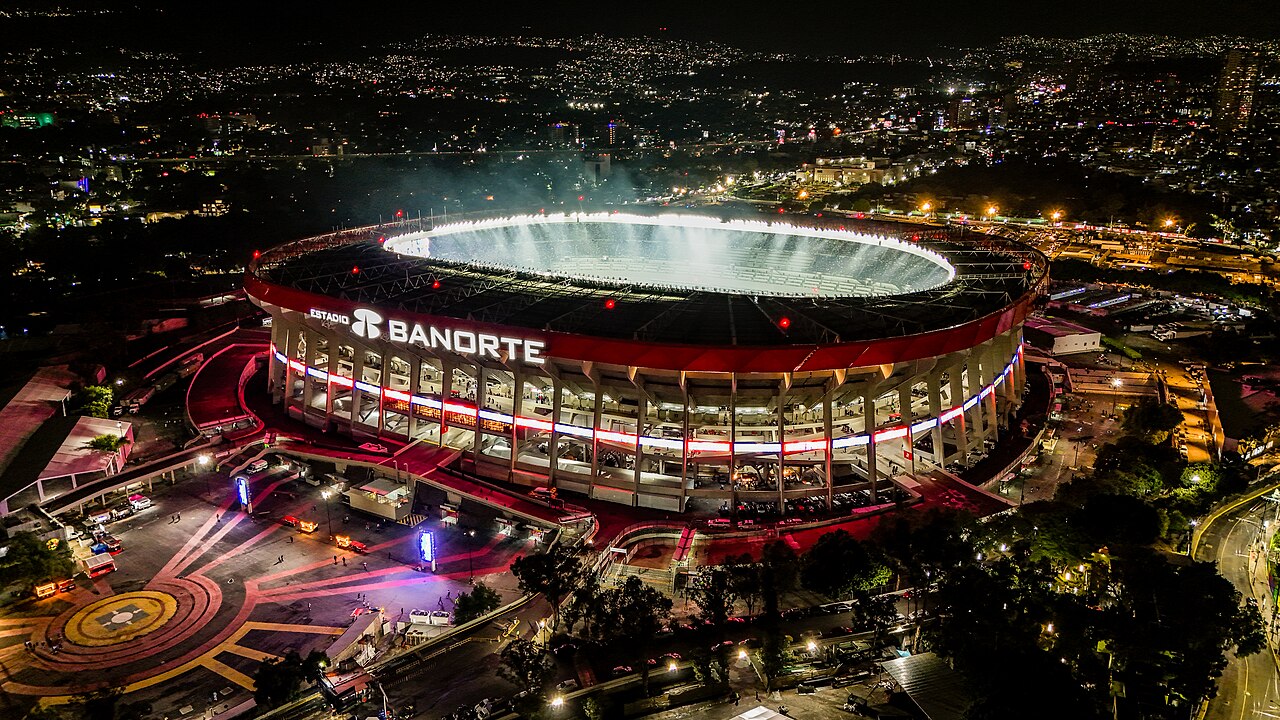
- Mexico City — 22–24 °C / 71–75 °F. Open Estadio Azteca, but at 2,240 m elevation, the highest of any WC venue.
- Seattle — 22–24 °C / 72–75 °F. Lumen Field, open bowl with partial canopy.
- SF Bay Area (Santa Clara) — 22–26 °C / 72–79 °F. Open Levi's Stadium.
- LA (Inglewood) — 24–27 °C / 75–81 °F. SoFi Stadium, fixed translucent roof, marine layer in mornings.
The Pacific Northwest and California are the climate winners of this tournament. If you have flexibility on which venues to attend, those four cities offer the most comfortable in-person experience.
The middle group
- Toronto — 24–27 °C, open-air BMO Field, humid continental, lakeside.
- Boston (Foxborough) — 26–28 °C, open-air, mild.
- NY/NJ (East Rutherford) — 28–30 °C, open-air MetLife, heat-wave risk possible.
- Philadelphia — 29–31 °C, open-air, humid mid-Atlantic.
- Guadalajara — 28–30 °C, open-air, rainy season afternoons.
- Kansas City — 30–32 °C, open-air Arrowhead, daily afternoon storms.
The middle band — late 20s to low 30s — is where most of the group-stage football happens, and where the cooling-break protocols become routine rather than dramatic.
FIFA's cooling and water-break protocols
The protocol that actually matters in 90-degree weather is the cooling break — a structured stoppage roughly midway through each half when in-play temperatures (typically Wet Bulb Globe Temperature, WBGT) cross a threshold. Players come to the touchline, take water and ice towels, and the clock continues running. The match referee is empowered to call them.
FIFA introduced cooling breaks at the 2014 Brazil World Cup, and they have been used regularly since. The lighter alternative — a water break, often called by the referee for ad-hoc hydration without a formal stoppage — is now routine in any match where conditions warrant.
A few specifics worth understanding:
- WBGT, not air temperature, is the trigger. WBGT combines temperature, humidity, wind, and direct sunlight into one number. A 30 °C day in dry air with breeze is much less dangerous than a 30 °C day in 80% humidity with no wind. Houston and Miami matter for this reason.
- The threshold is judgmental. FIFA's published guidance has historically pointed to a WBGT around 32 °C as the cooling-break trigger, but the referee retains authority on the day.
- Cooling breaks happen in both halves. Typically once around minute 30 and once around minute 75, when conditions warrant.
- Cooling breaks add time. Referee adds the lost minutes to stoppage time.
The 2026 question is whether the published cooling-break threshold is the right setting for North American summers. WC players, unions, and climate scientists have been publicly debating this since the Qatar tournament. As of the time of writing, FIFA has not signaled a formal change to the trigger threshold for 2026.
Roof status, venue by venue
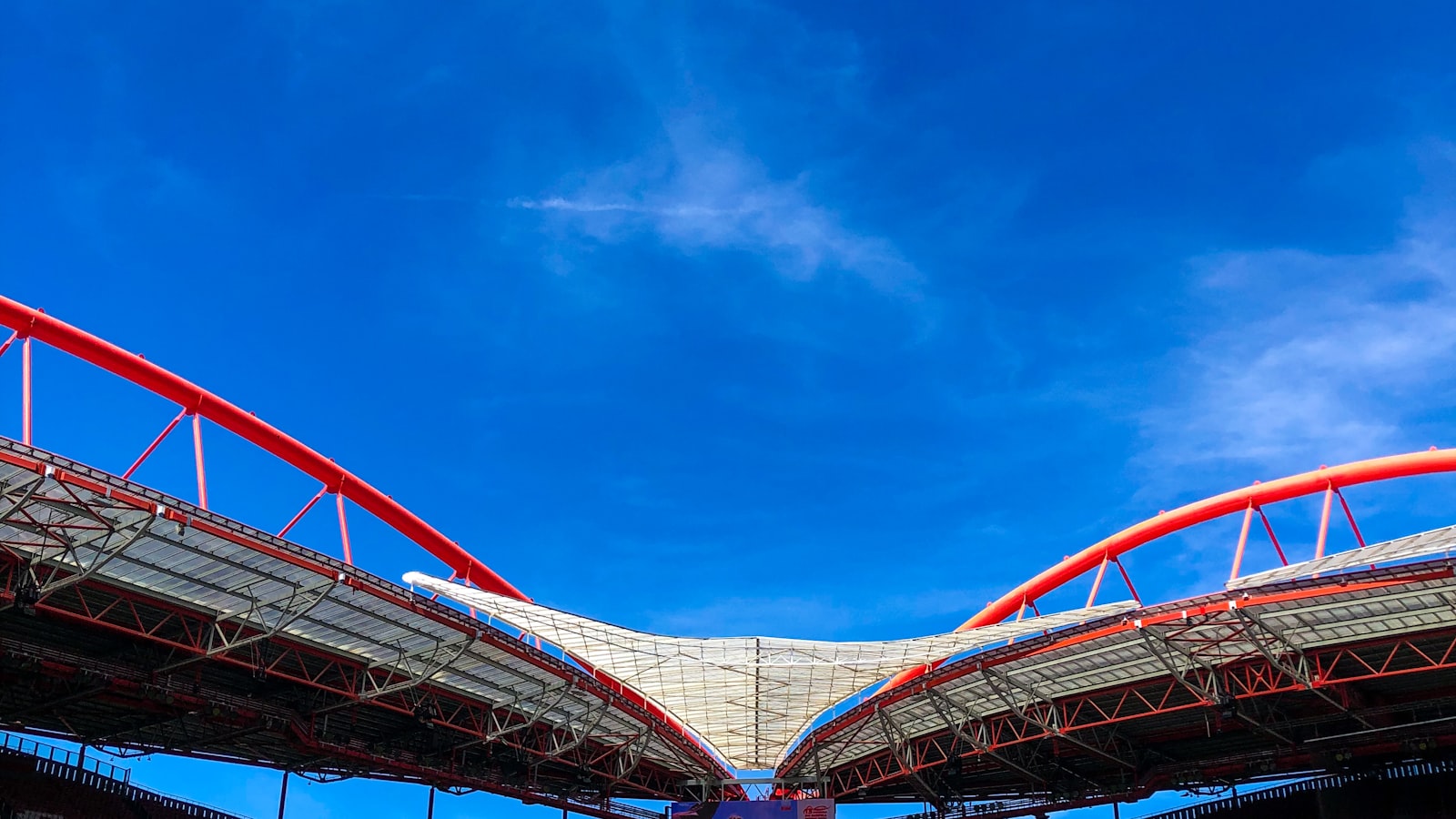
The single most important infrastructure decision FIFA makes on any matchday in Dallas, Houston, Atlanta, or Vancouver is roof open or closed. The official policy gives the home stadium operator the technical authority, but the operational reality is FIFA-coordinated.
- AT&T Stadium (Dallas) — retractable roof. Can close.
- NRG Stadium (Houston) — retractable roof. Can close.
- Mercedes-Benz Stadium (Atlanta) — retractable petal roof. Can close.
- BC Place (Vancouver) — retractable roof. Can close.
- SoFi Stadium (LA) — fixed translucent roof, open sides. Cannot close further; translucent panels block direct UV.
- Lumen Field (Seattle) — partial canopy, open bowl. Cannot close.
- All other 10 venues — fully open-air. No roof option.
That gives FIFA real control over heat exposure at four of the five elevated-risk venues. The fifth — Monterrey — is fully open and gives FIFA only one lever: kickoff time.
Why evening kickoffs help
In TV-driven tournaments, kickoff slots are determined by global broadcast windows first and climate second. But evening kickoffs in hot cities can substantially reduce in-game heat exposure:
- A 9 p.m. local kickoff in Houston (typically 21:00 CT) often sees in-stadium temperatures of 28–29 °C, down from the 33–34 °C daytime high.
- A 20:00 local kickoff in Mexico City (the opener between Mexico and South Africa on June 11) sits around 18–20 °C in the bowl, with afternoon thunderstorm risk possible.
Cooler evening matches are also better for fans in seats, broadcast lighting, and turf condition. The trade-off is that they push Asian and European broadcast windows into the deep middle of the night.
Historical context: hot-weather World Cup games
This tournament is not the first to grapple with heat. A few high-altitude or high-heat reference points:
- Mexico 1986 — played in summer at altitude (Mexico City 2,240 m, Puebla 2,162 m, Toluca 2,680 m). Players reported severe altitude effects. Maradona's two famous goals against England in the quarter-final were played in mid-day heat at Azteca. The tournament also produced extremely high goal counts in some matches partly attributable to thinner air.
- USA 1994 — the hottest WC US has staged. Eight venues, daytime highs above 35 °C at multiple group games (Orlando, Dallas, Pasadena). Player union complaints were widely reported.
- France 1998 — hot summer in southern France; multiple cooling breaks, then a more formal protocol.
- Brazil 2014 — formal cooling-break protocol introduced. Manaus, Cuiabá, and Recife saw extreme tropical heat.
- Qatar 2022 — moved to November and December specifically because of summer Doha temperatures hitting 40+ °C. The first northern-hemisphere winter World Cup.
The 2026 tournament returns to a June-July northern summer for the first time since Russia 2018 — and stages many more matches in hot climates than Russia 2018 did. From a heat-exposure perspective, this is the most thermally diverse World Cup ever staged.
Advice for ticket-holders
If you have a ticket to a hot-weather match — Dallas, Houston, Monterrey, Atlanta, Miami, Kansas City — a few practical things to plan for:
Before you go
- Check the kickoff time and venue roof status. Retractable-roof venues will publish whether the roof is open or closed on the day, often only a few hours before kickoff.
- Check the venue's clear-bag policy and water entry rules. Most venues allow at least one sealed water bottle; some require it to be empty.
- Plan transit with heat in mind. A 45-minute walk back from the stadium in 35 °C is harder than a 45-minute walk in 25 °C.
On the day
- Pre-hydrate. Start drinking water two hours before kickoff. Avoid alcohol and excessive caffeine in the immediate pre-game window.
- Sunscreen. SPF 30 minimum, applied before you leave for the stadium and reapplied at halftime.
- Light, breathable clothing. Avoid black if you have a choice.
- Eat lightly. Heavy meals in the heat are uncomfortable.
Inside the stadium
- Bring electrolytes. A sports drink or oral rehydration salts will outperform plain water in a long, hot afternoon.
- Sit in shade if you can choose your seat. Look at the venue's solar orientation when picking tickets — most large bowls have one side that sits in shadow during the second half.
- Know the warning signs of heat illness. Dizziness, nausea, cessation of sweating, confusion. If you or someone near you exhibits these, get to a medical station immediately. Every WC venue has them staffed.
What to expect during the match
- Cooling breaks around minute 30 and minute 75 in hot matches.
- Water breaks at the referee's discretion at any time.
- Stoppage time will be longer in hot matches — both for the cooling breaks themselves and for slower play.
The Mexico City altitude question
Climate is not just about heat. Estadio Azteca at 2,240 meters elevation is the highest-altitude World Cup venue of 2026 and one of the highest in tournament history. At that elevation:
- Air density is roughly 22% lower than sea level. Balls travel farther. Sprints are harder.
- Aerobic capacity is reduced for non-acclimatized players. Teams typically acclimatize for 7–14 days before playing competitive matches at altitude.
- Recovery between matches is slower.
For the opener — Mexico vs South Africa on June 11 — Mexico is the obvious beneficiary of altitude. South Africa's elevation (Johannesburg sits at about 1,750 m) gives them more partial acclimatization than most opponents, but Azteca is still 500 meters higher than any of South Africa's regular training grounds.
Any team drawn into a Mexico City group match (Group A) will need to plan their pre-tournament window around an altitude camp. This is not a heat story, but it is a climate story.
What about the rest?
Rainy-season risk is real in several venues:
- Atlanta, Miami, Houston, Kansas City — daily afternoon thunderstorm risk in late June and early July.
- Guadalajara, Mexico City — rainy season, with afternoon storms common.
- Monterrey — drier than Mexico City, but storms possible.
- Toronto — humid continental, occasional storms.
- Vancouver, Seattle — wet maritime climate but late June is typically the driest window of the year on both Pacific coasts.
Lightning protocols at FIFA venues require play to be suspended if lightning is detected within a defined radius. Expect 30+ minute delays in the worst afternoon storms in the southern US and Gulf venues.
The bottom line
The World Cup 2026 is a real climate-stress test for the men's game. Dallas, Houston, Monterrey, Atlanta, and Miami are the venues with elevated heat-stress risk, three of them (Dallas, Houston, Atlanta) with retractable roofs that FIFA can use. Vancouver, Mexico City, Seattle, SF Bay, and LA are the cooler-climate venues that should produce the most comfortable in-person experience. The cooling-break protocol is well-established. The roof-closure question will be one of the bigger operational decisions FIFA makes on matchday afternoons. And every single number in this guide is a typical climate normal, not a forecast.
If you have a ticket to a hot-weather match, plan around the heat. If you have a ticket to Vancouver or Seattle, you got the best weather of the tournament — enjoy the mountains and the marine air.
Frequently asked
Which World Cup 2026 venues are hottest in late June?
Will World Cup 2026 matches be played in dangerous heat?
What is a FIFA cooling break?
Which World Cup 2026 stadiums can close their roofs?
What is the coolest host city at the World Cup 2026?
Does altitude matter at the World Cup 2026?
Should I worry about thunderstorms at the World Cup 2026?
What should fans bring to a hot-weather World Cup 2026 match?
Sources (5)
- World Weather Attribution — WC 2026 heat analysisaccessed 2026-05-19
- Beyond The Castle Travel — WC 2026 weather guideaccessed 2026-05-19
- Tucson.com — Scientists warn of dangerous heataccessed 2026-05-19
- Wikipedia — 2026 FIFA World Cupaccessed 2026-05-19
- Al Jazeera — Full match scheduleaccessed 2026-05-19
Sources (5)
- World Weather Attribution — WC 2026 heat analysisaccessed 2026-05-19
- Beyond The Castle Travel — WC 2026 weather guideaccessed 2026-05-19
- Tucson.com — Scientists warn of dangerous heataccessed 2026-05-19
- Wikipedia — 2026 FIFA World Cupaccessed 2026-05-19
- Al Jazeera — Full match scheduleaccessed 2026-05-19
You might also like