Every Host City Guide: USA, Canada, Mexico
A complete travel guide to all 16 World Cup 2026 host cities across the United States, Canada, and Mexico — what to know about each city, how to move between them, and what makes each one matter.
Every Host City Guide: USA, Canada, Mexico
Three countries. Sixteen cities. Eleven time zones (well, four, but it sometimes feels like eleven). The World Cup 2026 host cities stretch from Vancouver on the Pacific coast of British Columbia to Miami on the warm side of Florida, and from Toronto's Lake Ontario shoreline down to Monterrey at the foot of the Sierra Madre. This is the biggest geographical canvas a World Cup has ever used, and it deserves a real travel guide.
We have laid out every host city below — what each one is good at, what makes the local football culture distinctive, and what you actually need to know to plan a trip. Use the map for the spatial picture, then dive into the country sections.
The big picture: 16 cities, 3 nations
The 48-team tournament is shared across three host federations. Here is the simple split:
Hosting duties are not symmetrical. The United States runs the bulk of the tournament, including the knockout rounds from the quarter-finals onward and the final itself. Mexico provides the opener at Estadio Azteca on June 11. Canada provides the cool-weather venue and the country that ironed out CONCACAF qualification logistics.
(FIFA ranks above are from the April 1, 2026 official ranking; head coaches and star players reflect public reporting at the time of writing — always re-confirm against the official squad lists once announcements close on June 2, 2026.)
United States — 11 host cities
Atlanta
Mercedes-Benz Stadium, capacity around 71,000, retractable roof. This is one of the better climate-controlled venues in a city where late June daytime highs sit at 31–33 °C. Transit is the best of any major US venue — MARTA runs to GWCC/CNN Center and Vine City stations, both five minutes from the gates. The local Atlanta United crowd has proven for years that proper soccer culture can sell out an NFL bowl. The Latin American and African diaspora communities make for a varied matchday demographic.
Arlington / Dallas
AT&T Stadium, the biggest venue at the World Cup (around 92,967–94,000 in football configuration), retractable roof, nine matches including a semi-final. Dallas-Fort Worth is hot in late June (34–36 °C daytime highs) and humid. Public transit to Arlington itself is limited; expect shuttles from downtown Dallas and Fort Worth, and plan for parking gridlock around any 9 p.m. CT kickoff. DFW International is your gateway airport, with Dallas Love Field as a secondary.
Boston / Foxborough
Gillette Stadium, capacity around 64,628, open. The stadium is in Foxborough — 45 minutes south of Boston by car, accessible from Boston's South Station via the MBTA Foxboro line which runs only on event days. New England's footballing culture goes back to the original NASL days, and Boston's deep Brazilian, Portuguese, and Cape Verdean communities will make this one of the more atmospheric "soccer" cities in the United States. Late-June daytime highs of 26–28 °C make this a mild venue.
Houston
NRG Stadium, around 72,220 with a retractable roof, on natural grass overlay. Houston in late June averages 33–34 °C daytime highs with significant humidity — World Weather Attribution flagged it as one of the heat-stress venues. The roof matters here. Houston's enormous Latin American population, particularly Mexican and Central American, will dominate the atmosphere. METRORail runs to NRG Park directly.
Inglewood / Los Angeles
SoFi Stadium, around 70,240, fixed translucent roof. The newest stadium in the tournament (opened 2020). LA's climate is mild for late June (24–27 °C daytime highs with cool marine layer mornings), and the new LA Metro K Line opens stops adjacent to the Hollywood Park development. LAX is 6 km away — about as close as a US airport-to-stadium combo gets. Expect the highest celebrity attendance density of any host city.
Kansas City
Arrowhead Stadium, around 73,000, open-air, the oldest of the US venues at this World Cup (opened 1972). Daytime highs of 30–32 °C with afternoon storm risk. The Chiefs' tilt and steepness make it one of the loudest sports buildings in the United States, and the city's large Mexican-American community plus the existing Sporting KC fanbase should fill it. Limited rail; expect bus shuttles from downtown Kansas City.
Miami Gardens
Hard Rock Stadium, around 65,000, open-air. Hosts the third-place match on July 18. Miami in early July: 31–32 °C with daily thunderstorm risk. Tri-Rail and Brightline serve South Florida, but the stadium itself is car-dependent from Miami Beach. The Latin American matchday population — particularly Argentine, Colombian, Venezuelan, and Cuban — will make this one of the most distinctive crowds of the tournament.
NY/NJ (East Rutherford)
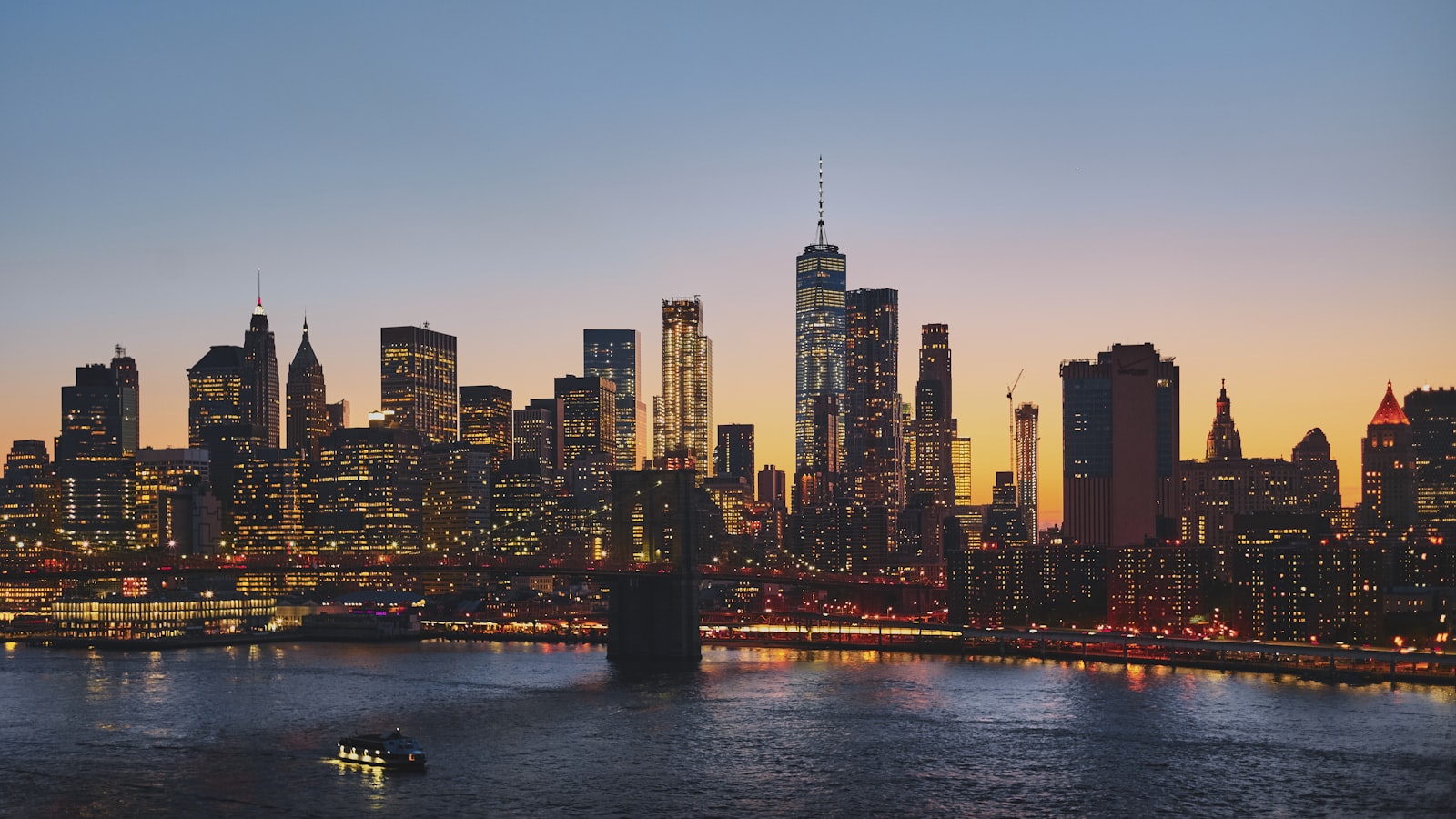
MetLife Stadium, 82,500 in tournament configuration, hosts the final on July 19. NJ Transit's Meadowlands line runs direct from Penn Station, and you can also reach the stadium from Newark Airport. Late July in the New York area averages 28–30 °C with heat-wave risk. The local Latin American, European, and African football diaspora is the deepest of any city on the schedule; expect the most international crowd makeup of any single venue.
Philadelphia
Lincoln Financial Field, around 69,000, open. SEPTA's Broad Street Line runs to NRG/Sports Complex Station, walkable from any stadium in the South Philly sports cluster. Late June daytime highs of 29–31 °C. Local Mexican, Colombian, Dominican, and Haitian communities will give matchdays a strong CONCACAF flavor.
Santa Clara / SF Bay Area
Levi's Stadium, around 70,909, open. The climate is mild for the United States in late June (22–26 °C inland in the South Bay). VTA light rail and Caltrain serve the stadium. SFO and OAK are roughly equidistant, both with BART connections. The tech and Pacific-Rim diaspora makes this one of the more cosmopolitan matchday crowds in the country.
Seattle
Lumen Field, around 69,000 capacity, open bowl with a partial canopy that reflects crowd noise back onto the field. Famously the loudest open-air venue in American sport by published decibel readings. The Sounders' fanbase has proven the football market here for two decades, and Seattle is one of the few US cities where football and the local first sport are the same thing. Mild climate (22–24 °C late June), and the Link light rail runs door-to-door from Sea-Tac Airport.
Canada — 2 host cities
Toronto
BMO Field, around 45,736 in tournament configuration (with 17,000 temporary seats added for the World Cup), open-air, natural grass. Six matches. The smallest stadium in the tournament will also have one of the best lakeside settings — BMO sits on the Exhibition Place grounds at the Lake Ontario waterfront, walking distance from the King West restaurant district. The 509 Harbourfront streetcar runs from Union Station; Toronto Pearson International is the gateway airport with the UP Express train into the city in 25 minutes.
Toronto is one of the most diverse cities in the World Cup. Every team that qualified has a community here, which means every matchday has an away crowd. Late-June temperatures average 24–27 °C.
Vancouver
BC Place, around 54,500, the only retractable roof in Canada and the coolest WC venue (20–22 °C daytime highs in late June). Natural-grass overlay over the artificial pitch used by the Whitecaps and Lions. Vancouver SkyTrain runs to Stadium-Chinatown station, two minutes' walk from the gates. YVR is connected to downtown via the SkyTrain Canada Line.
If the rain comes, the roof closes. If the sun shows up, the roof opens. Either way, Vancouver in late June is the kindest climate on the schedule — and the most stunning matchday backdrop, with the North Shore mountains visible from the stadium concourse.
Mexico — 3 host cities
Mexico City
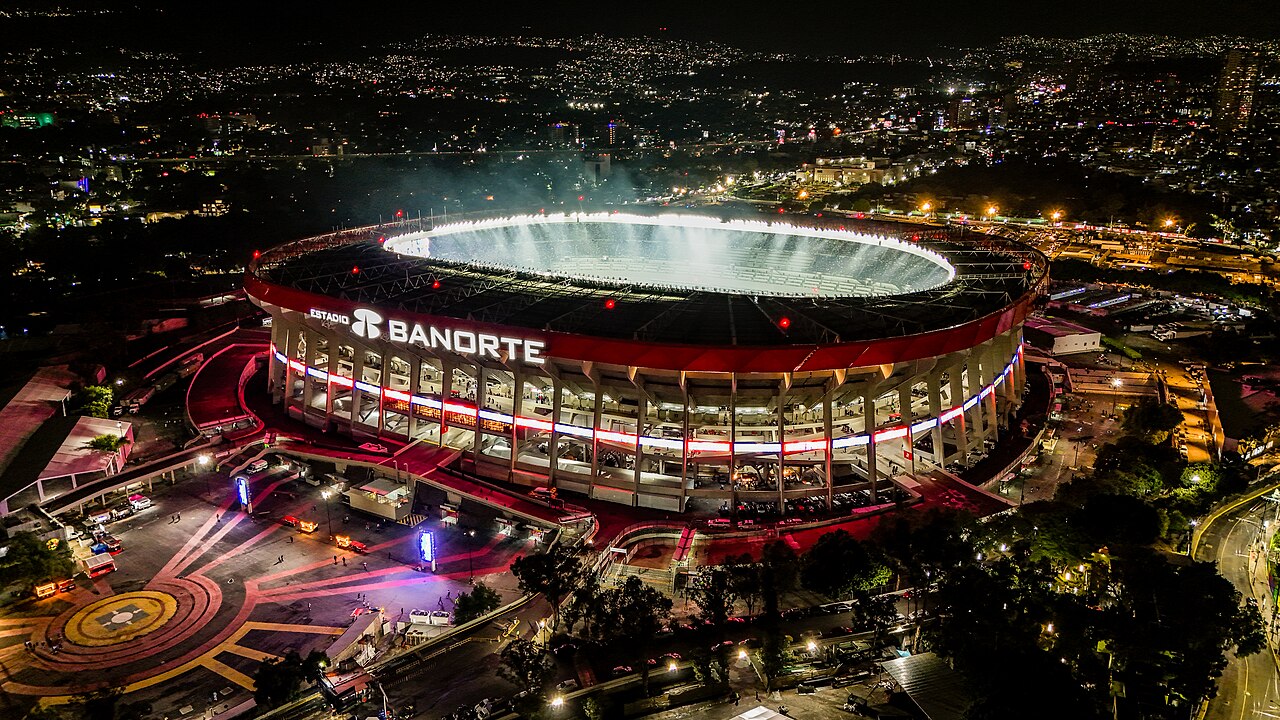
Estadio Azteca, around 87,500, open, hosts the opener between Mexico and South Africa on June 11 plus four other matches (five total). The oldest stadium on the schedule (opened 1966) is also the most historic — Azteca becomes the first stadium ever to host matches at three World Cups (1970, 1986, 2026). It sits at 2,240 meters elevation, the highest of any WC venue, which means thinner air and potential afternoon thunderstorms.
The Metro Línea 2 runs to Tasqueña, then the Tren Ligero connects to Estadio Azteca station — direct service to the gates. Mexico City has Mexico's largest airport (AICM Benito Juárez) and the newer AIFA in the State of Mexico.
Guadalajara
Estadio Akron, around 48,000 (with FIFA's net configuration around 44,330), open, natural grass. Home of Chivas, one of the most fanatically supported clubs in Mexico. The stadium is in Zapopan, on the northwestern edge of greater Guadalajara, about 30–40 minutes from the city center by car. Daytime highs of 28–30 °C with rainy-season afternoon storms in late June.
Guadalajara itself is one of the great matchday cities in the world. Tequila, mariachi, and the most coherent club football identity in Mexico.
Monterrey
Estadio BBVA, around 53,500, open, natural grass, home of Monterrey FC. The hottest Mexican host city (33–35 °C daytime highs), set against the dramatic backdrop of Cerro de la Silla. Monterrey is Mexico's industrial-finance capital and an underrated football town. The stadium sits in Guadalupe, just east of the city center, accessible by car or taxi — public transit is limited.
Traveling between host cities
Three countries, four time zones, and 16 cities means routing matters as much as ticketing. Some general rules:
- Within the US northeast cluster (Boston, NY/NJ, Philadelphia) — Amtrak's Northeast Corridor is faster and easier than flying.
- Within Mexico — Volaris, Aeroméxico, and VivaAerobus run frequent service between Mexico City, Guadalajara, and Monterrey, generally under two hours.
- US Sun Belt cluster (Atlanta, Miami, Houston, Dallas, Kansas City) — flights are short (under 2.5 hours) and frequent.
- Cross-border flights — Air Canada, WestJet, Aeroméxico, and most US legacy carriers all run direct routes between major Canadian, Mexican, and US hubs.
- Border crossings — Possible by ground but slow. Most international fans will fly.
A reasonable double-header plan: spend the group stage in one geographical cluster (say, Toronto + Boston + NY/NJ for an east-coast tour), then fly south for the knockouts.
Entry requirements
This section moves the fastest — re-check official sources within 30 days of your trip.
- United States: Visa-Waiver Program (ESTA) for eligible passport holders; visa for everyone else. Always re-check the State Department before booking.
- Canada: eTA for visa-exempt passport holders; visa otherwise. Always re-check IRCC before booking.
- Mexico: Most non-Mexican passport holders can enter visa-free for tourism for up to 180 days; the FMM tourist card is filled out on arrival. Always re-check INM before booking.
The three host countries do not share a common visa or border policy, so a "World Cup tour" trip crossing all three needs three separate eligibility checks.
What is special about each city culturally
A short-form character sketch for each host city:
- Mexico City — the most historically important football city of the World Cup. Azteca is hallowed ground.
- Guadalajara — tequila, mariachi, and Chivas. Mexico's cultural soul.
- Monterrey — northern Mexico's industrial capital with a mountain backdrop and a serious football town hidden inside it.
- Toronto — the most multicultural matchday city in the tournament. Whatever team you support, your community is here.
- Vancouver — Pacific Northwest cool, mountains and water on every horizon, the only retractable roof in Canada.
- Atlanta — the city where US club football scaled up. Hip-hop capital of the world.
- Boston — colonial history, college sport energy, and a Brazilian/Portuguese matchday accent.
- Dallas — Texas hospitality at NFL scale. Tex-Mex and barbecue, but with the heat to match.
- Houston — America's most ethnically diverse big city, with the largest CONMEBOL/CONCACAF matchday population north of the border.
- Kansas City — barbecue capital, Mexican-American matchday culture, and Arrowhead's tilt.
- Los Angeles — Hollywood, the Pacific, and Latin American football culture at full volume.
- Miami — Latin America's de facto US capital. Argentine, Colombian, Venezuelan, Cuban diaspora at full strength.
- New York / New Jersey — every footballing nation has a neighborhood here. The final's natural city.
- Philadelphia — colonial history, cheesesteaks, and a passionate sports culture that takes ownership.
- Santa Clara / SF Bay Area — tech capital, Pacific Rim diaspora, and California climate.
- Seattle — the football-first US city. The Sounders culture is real.
Footballing-history footnote per country
- Mexico has hosted two previous World Cups (1970, 1986), more than any other country until now. 2026 makes Estadio Azteca the first three-time World Cup stadium.
- United States hosted in 1994 — still the highest-average-attendance World Cup ever despite being only 24 teams. The 2026 tournament is its second.
- Canada is hosting men's World Cup matches for the first time. Canada hosted the 2015 Women's World Cup, but never men's. Until now.
The bottom line
Every one of these 16 cities is worth a trip. The cooler-climate, smaller-stadium, soccer-first cities (Seattle, Toronto, Vancouver, Boston) will give you the most pure-football matchday experience. The historic Mexican cities (Mexico City, Guadalajara) will give you the most culturally distinctive one. The big retractable-roof venues (Dallas, Atlanta, Houston) will give you the most climate-controlled spectacle. And NY/NJ will give you the final.
Pick a cluster, plan your visas, book your flights, and check those host-country entry pages one more time before you go.
Frequently asked
How many host cities are at the World Cup 2026?
Which is the only Canadian host city with a retractable roof?
Where is the World Cup 2026 final being played?
Which host city has the most matches?
Do I need a visa for the World Cup 2026?
Which World Cup 2026 host city has the coolest climate?
Is it possible to travel between US, Canadian, and Mexican host cities by ground?
Which host city is closest to its airport?
Sources (8)
- Wikipedia — 2026 FIFA World Cupaccessed 2026-05-19
- FIFA — Host citiesaccessed 2026-05-19
- BeIN Sports — All 2026 World Cup stadiumsaccessed 2026-05-19
- Yahoo Sports — Estadio Azteca guideaccessed 2026-05-19
- CBC News — BMO Field upgradesaccessed 2026-05-19
- Al Jazeera — Full match scheduleaccessed 2026-05-19
- FIFA — Dallas to host nine matchesaccessed 2026-05-19
- World Weather Attribution — WC 2026 heat analysisaccessed 2026-05-19
Sources (6)
- Wikipedia — 2026 FIFA World Cupaccessed 2026-05-19
- FIFA — Host citiesaccessed 2026-05-19
- BeIN Sports — All 2026 World Cup stadiumsaccessed 2026-05-19
- Yahoo Sports — Estadio Azteca guideaccessed 2026-05-19
- CBC News — BMO Field upgradesaccessed 2026-05-19
- Al Jazeera — Full match scheduleaccessed 2026-05-19
You might also like