Group-Stage Heat Map: Climate Normals + 10-Day Outlook
June climate normals for all 16 WC26 host cities, a 10-day outlook for the matchday-1 sites, and the heat-stress thresholds that will reshape the broadcast.
Last updated: 2026-05-19. We'll refresh this through kickoff.
The single biggest variable that will shape the 2026 World Cup is not the schedule, the format, or the squads. It is the weather. The opening match in Mexico City kicks off on 11 June; the final in East Rutherford is on 19 July. In between, 104 matches will be played across three climate zones, five time zones, and elevations from sea level to 2,240 metres. The heat map is not metaphorical — it is the operational reality FIFA has been trying to engineer around for the last three years.
This guide combines verified June climate normals for all 16 host venues with a 10-day outlook for the matchday-1 sites — and the heat-stress thresholds that change the way matches are played and broadcast.
Climate normals: the heat map
The chart below shows typical daytime highs across the tournament window, by venue, by week. Numbers are climatological normals (multi-decade averages) — not forecasts — and synthesised from NOAA, Environment & Climate Change Canada, and CONAGUA's SMN.
Tournament-window temperatures
*Climate normals, not forecasts.*
| Venue | Wk 1 Jun 11–17 | Wk 2 Jun 18–24 | Wk 3 Jun 25–Jul 1 | Wk 4 Jul 2–8 | Wk 5 Jul 9–15 | Wk 6 Jul 16–19 |
|---|---|---|---|---|---|---|
| MetLife Stadium | 25° | 27° | 28° | 29° | 30° | 29° |
| SoFi Stadium | 23° | 24° | 25° | 26° | 27° | 27° |
| AT&T Stadium | 33° | 34° | 35° | 36° | 37° | 37° |
| Hard Rock Stadium | 30° | 31° | 32° | 32° | 33° | 33° |
| Mercedes-Benz Stadium | 28° | 29° | 30° | 31° | 31° | 30° |
| Gillette Stadium | 22° | 24° | 26° | 27° | 28° | 27° |
| NRG Stadium | 32° | 33° | 33° | 34° | 34° | 34° |
| GEHA Field at Arrowhead | 27° | 29° | 30° | 31° | 32° | 31° |
| Levi's Stadium | 22° | 23° | 24° | 25° | 26° | 26° |
| Lincoln Financial Field | 26° | 28° | 29° | 30° | 31° | 30° |
| Lumen Field | 22° | 23° | 24° | 25° | 26° | 26° |
| BMO Field | 22° | 23° | 24° | 25° | 26° | 26° |
| BC Place | 18° | 19° | 21° | 22° | 23° | 23° |
| Estadio Azteca | 23° | 23° | 24° | 24° | 23° | 22° |
| Estadio Akron | 24° | 24° | 24° | 23° | 22° | 22° |
| Estadio BBVA | 29° | 30° | 31° | 30° | 30° | 29° |
A few patterns jump out:
- AT&T Stadium (Dallas/Arlington), Monterrey, NRG Stadium (Houston), Hard Rock Stadium (Miami), Mercedes-Benz Stadium (Atlanta), Arrowhead (Kansas City) sit in the 30–37°C daytime band through the tournament's hottest weeks. World Weather Attribution flagged these (plus Monterrey) as the highest player-health risk venues in their pre-tournament analysis.
- Vancouver (BC Place) and Mexico City (Azteca) are the coolest venues. Vancouver because of marine influence; Mexico City because of elevation (2,240 m). Both top out at ~22–24°C.
- MetLife sits in a moderate band (25–30°C) — uncomfortable but well below the heat-stress thresholds for Dallas or Houston.
What the 10-day outlook tells us (verified 2026-05-19)
Matchday 1 is 11 June. The opening fixture (Mexico v South Africa, Azteca) is followed by group-stage openers in Toronto, Los Angeles, and Mexico City through the first weekend.
The 10-day outlook from AccuWeather for the matchday-1 venues, as of 2026-05-19:
- Mexico City (11 June, opener): Highs near 24°C, partly cloudy with an evening thunderstorm risk typical for the rainy season. The Azteca's high elevation means a comfortable evening kickoff at 20:00 local — for fans and players alike.
- Toronto (Canada v opponent, 12 June at BMO Field — see schedule for confirmation): Highs near 23–26°C, low humidity, mostly sunny. Optimal football weather.
- Los Angeles (SoFi Stadium, matchday 1–3): Highs near 23–25°C. SoFi's fixed translucent roof means consistent indoor conditions regardless of outside heat — but indoor games at SoFi run warmer than outdoor games at the same air temperature because of solar gain through the canopy.
- Mexico City matchday 2 (13 June): Forecast still calls for cooler, partly cloudy conditions with afternoon thunderstorm risk.
These outlooks are at the edge of useful forecasting range (10 days is the limit beyond which skill drops sharply). Treat them as directional. We will update through kickoff.
Heat stress: when does it become operational
FIFA's player-welfare protocol uses Wet Bulb Globe Temperature (WBGT) — a combined measure of air temperature, humidity, radiant heat, and wind — not air temperature alone. The thresholds that trigger interventions:
- WBGT 28–32°C: Cooling breaks mandatory at 30 and 75 minutes (FIFA standard since 2014).
- WBGT > 32°C: Match official discretion to extend cooling breaks; medical staff on-pitch monitoring increases.
- WBGT > 35°C: Threshold above which FIFA's medical officer has flagged matches as "high risk" in pre-tournament communications; in practice, kick-off times are adjusted before this point is reached.
Venue-by-venue: what to expect
Mexico (3 venues)
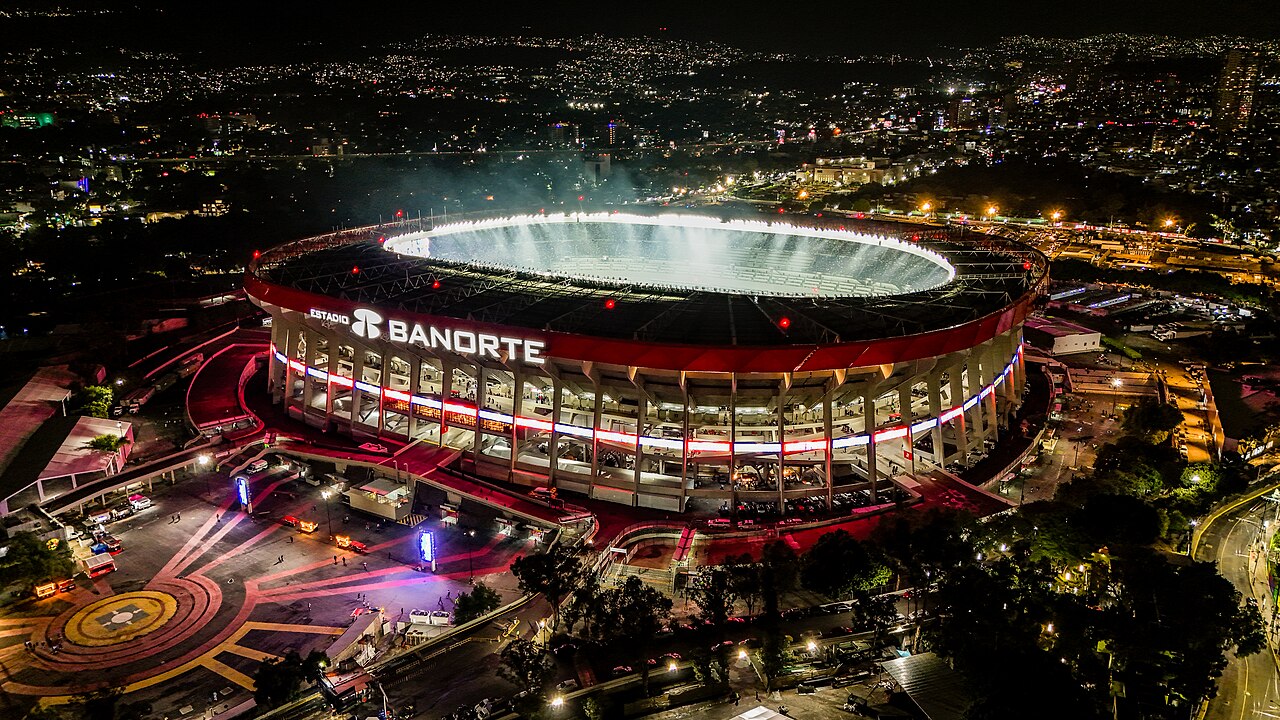
- Estadio Azteca, Mexico City: 22–24°C daytime; afternoon thunderstorms common. Evening matches comfortable. Elevation 2,240 m is the bigger story — visiting teams typically arrive 7–10 days early to acclimate.
- Estadio Akron, Guadalajara: 28–30°C; rainy season afternoon storms.
- Estadio BBVA, Monterrey: 33–35°C, high humidity. Highest heat-stress venue in the Mexican set. Afternoon kick-offs here will be the most physically demanding of any in CONMEBOL/CONCACAF.
Canada (2 venues)
- BMO Field, Toronto: 24–27°C, humid continental. Cooling break unlikely to be needed in most matches.
- BC Place, Vancouver: 20–22°C, marine influence, retractable roof. Coolest venue of the tournament. Expect zero heat-stress issues.
USA — Northeast / Atlantic (4 venues)
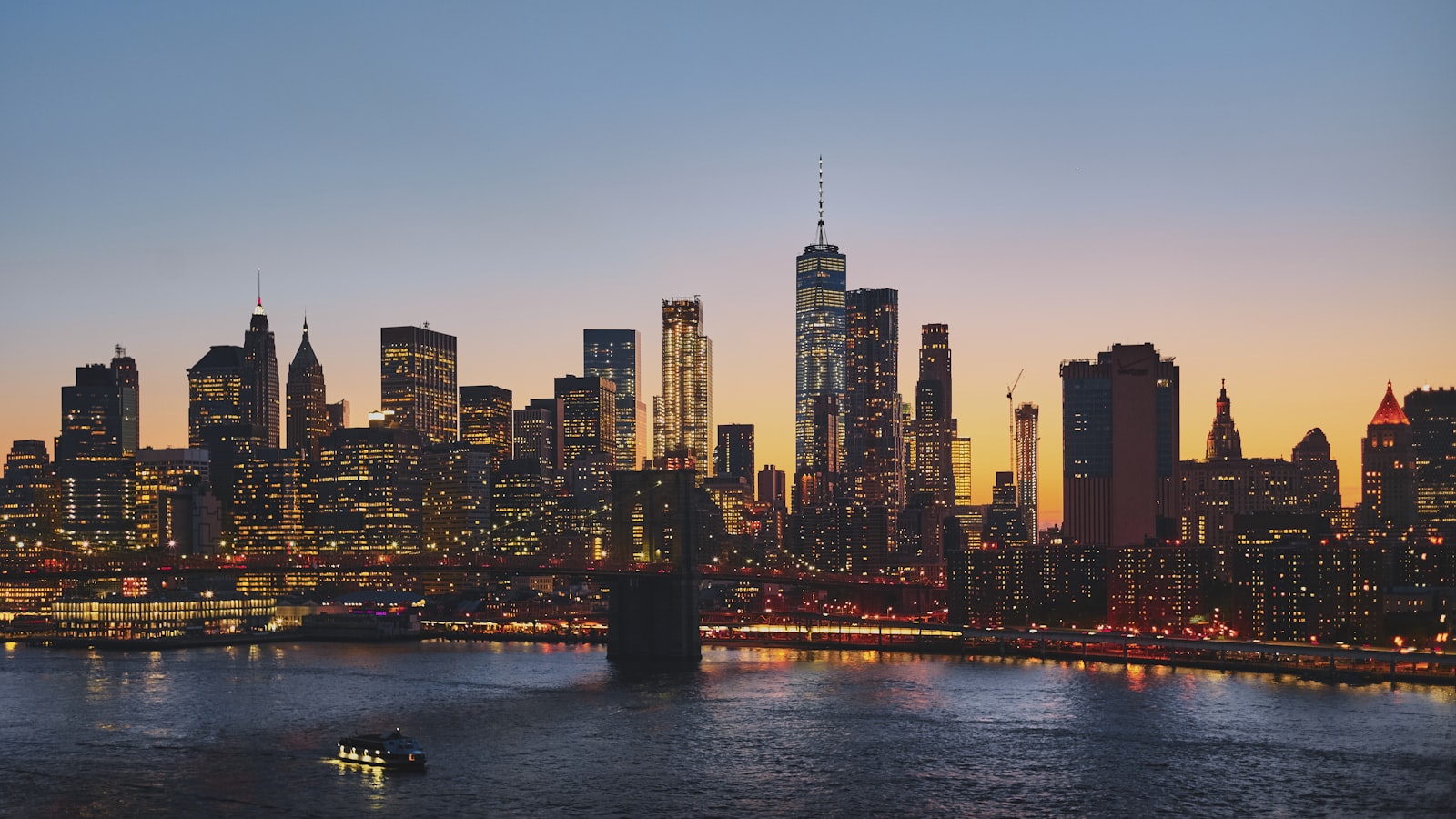
- MetLife Stadium, NY/NJ (Final): 25–30°C through tournament window. Heat-wave risk in mid-July; July averages above 30°C in heatwave years. Final on 19 July at 15:00 local could be the hottest big match of the tournament.
- Lincoln Financial Field, Philadelphia: 26–31°C; humid mid-Atlantic.
- Gillette Stadium, Boston/Foxborough: 22–28°C; mildest US venue outside the Pacific Northwest.
- Hard Rock Stadium, Miami: 30–33°C, very humid. Daily thunderstorm risk. Hosts the third-place match on 18 July at 17:00 local — heat-stress alert venue.
USA — Midwest / South (5 venues)
- AT&T Stadium, Dallas/Arlington: 34–37°C — hottest venue of the tournament, joint with Houston. Retractable roof; we expect it closed for all daytime matches and HVAC running at maximum. Hosts a semi-final on 14 or 15 July.
- NRG Stadium, Houston: 32–34°C, very humid. Retractable roof.
- Mercedes-Benz Stadium, Atlanta: 30–33°C. Retractable roof.
- Arrowhead Stadium, Kansas City: 30–32°C; humid, afternoon storms.
- Lumen Field, Seattle: 22–24°C, marine influence. The "Pacific cool" venue in the US set.
USA — West Coast (2 venues)
- SoFi Stadium, Los Angeles/Inglewood: 24–27°C ambient; fixed canopy creates indoor stadium with consistent (warmer) interior conditions.
- Levi's Stadium, Santa Clara: 22–26°C; inland Bay Area runs noticeably hotter than coastal San Francisco.
The independent climate-attribution picture
World Weather Attribution's pre-tournament analysis (May 2026) concluded that climate change has materially raised the heat-stress risk at multiple venues. Their highest-risk list — Dallas, Houston, Monterrey, Miami, Atlanta — matches the venues at the top of our matrix. WWA's central finding: matches at these venues during the hottest week of the tournament (29 June – 5 July, coinciding with R32 and R16 rounds) have a non-trivial chance of being played in heat the human body cannot regulate in standard tournament conditions.
The implications for fans:
- Watch the kick-off times for afternoon games at high-risk venues. A 15:00 local kick-off in Dallas in late June is a different match than a 20:00 kick-off.
- Expect cooling breaks to be the norm, not the exception, across more than half the tournament's afternoon matches.
- Roof-state decisions become headline news. AT&T Stadium's roof will be the most-discussed retractable in football. FIFA defers operational authority to the venue, but the choice is being made in consultation with the medical committee.
What to refresh as the tournament approaches
Three windows where you should re-check forecasts:
- 7 days out from your matchday. This is where forecasting skill becomes usable. Check NOAA / Environment Canada / CONAGUA for ground truth.
- 48 hours out. Heat-stress watches and air-quality alerts from local authorities will be active.
- Matchday morning. WBGT calculations are typically published 4–6 hours pre-kickoff by FIFA's medical team for venues where heat-stress is a flagged concern. These are not publicly broadcast but are noted in pre-match press briefings.
We will update this guide as we approach kickoff. The 10-day outlook for the opening weekend (11–14 June) will be re-pulled and re-published in our 4 June update.
Frequently asked
Which World Cup 2026 venues are the hottest?
Which is the coolest venue?
What is WBGT and why does it matter?
Will any matches be moved because of heat?
Will the roofs be closed at AT&T Stadium, NRG, and Mercedes-Benz?
What is the forecast for the opener and the final?
Sources (5)
- NOAA — US Climate Normalsaccessed 2026-05-19
- Environment & Climate Change Canada — Climate normalsaccessed 2026-05-19
- CONAGUA — SMNaccessed 2026-05-19
- AccuWeather — Long-range forecastsaccessed 2026-05-19
- World Weather Attribution — WC26 heat analysisaccessed 2026-05-19
Sources (5)
- NOAA — Climate normalsaccessed 2026-05-19
- Environment & Climate Change Canada — Climate normalsaccessed 2026-05-19
- CONAGUA — Servicio Meteorológico Nacionalaccessed 2026-05-19
- AccuWeather — Long-range forecastsaccessed 2026-05-19
- World Weather Attribution — WC26 heat analysisaccessed 2026-05-19
You might also like